
Firmware Engineering for Safety-Critical Embedded Systems
Firmware determines how an embedded product starts, interacts with hardware, processes inputs, communicates with other components, and responds during operation. In safety-critical applications, firmware behavior can directly affect the safe and reliable operation of the wider system.
Developing this firmware requires more than software implementation. Processor architecture, memory, peripherals, communication interfaces, operating environments, system requirements, and verification activities all influence how firmware is designed and integrated. Powersoft19 brings firmware engineering together with hardware design, systems engineering, system integration, and quality assurance to address these dependencies across the embedded product lifecycle.
Whether you are developing a new product, integrating firmware with an existing platform, or maintaining an established system, our engineering teams can support individual firmware activities or broader embedded development requirements.

More Than Firmware Development
Safety-critical firmware operates within a larger engineering environment. Requirements established at the system level influence firmware architecture, while hardware characteristics affect implementation, performance, and verification. Changes introduced at one layer can also create dependencies across the rest of the product. Effective development therefore requires coordination across several areas.

Requirements
Functional and safety requirements provide the basis for firmware architecture, implementation, verification, and traceability.

Hardware Interaction
Processors, memory, peripherals, sensors, and communication interfaces directly influence firmware behavior and integration.

Verification
Testing, code analysis, reviews, and validation activities need to progress alongside development rather than being left until the final stage.

System Integration
Firmware must operate correctly with hardware, operating systems, middleware, application software, and the wider embedded architecture.
Engineering Challenges Across the Firmware Lifecycle
As embedded products become more capable and connected, firmware teams must manage increasing functionality while maintaining predictable and reliable system behavior.
Managing Firmware Complexity
Additional functions, communication interfaces, protocols, and connected capabilities increase the number of dependencies engineering teams must manage. Firmware architecture needs to accommodate this complexity without compromising performance or maintainability.
Keeping Hardware and Firmware Aligned
Processor changes, memory constraints, peripheral configurations, and communication interfaces can directly affect firmware. Close coordination between hardware and firmware development helps identify these dependencies before they become integration problems.
Maintaining Verification Discipline
Development schedules can create pressure to deliver functionality quickly. Safety-critical products still require structured testing, verification, documentation, and traceability throughout development. Identifying issues earlier can reduce rework during integration.
Supporting Compliance Requirements
Safety-critical development involves more than functional behavior. Requirements, verification evidence, technical documentation, traceability, and development processes may all need to support the applicable safety and certification framework.
Maintaining Long Lifecycle Products
Embedded products can remain in operation for many years. Firmware teams may therefore need to support platform changes, bug fixes, updates, hardware revisions, and maintenance after the original development environment or specialist expertise is no longer readily available.
These challenges are easier to manage when firmware is developed as part of the complete embedded product rather than as an isolated software layer.
Safety-Critical Firmware Engineering
Powersoft19 provides firmware engineering across the major layers of an embedded platform. The scope can support complete product development or specific activities within an existing engineering program.

Firmware Architecture and Low-Level Development
We develop the low-level software that establishes the foundation of an embedded product. This includes board support packages, bootloader development and hardening, hardware abstraction layers, and low-level firmware. Development can also address boot time, memory, power, and platform specific requirements.

OS and RTOS Integration
We integrate operating systems and real time operating systems with embedded platforms to provide a stable software environment. Services include OS and RTOS porting, minimum kernel and OSAL support, filesystem integration, and middleware development.

Device Drivers and Interfaces
We develop device drivers and communication layers that connect firmware with hardware and external systems. This includes peripheral integration, network stacks, fieldbus protocols, wired interfaces, wireless functionality, and embedded filesystem components.

Middleware and Platform Integration
Middleware connects lower level firmware components with operating environments and application functionality. Powersoft19 can develop and integrate the software layers required to support communication, data processing, device management, and other platform capabilities.

Firmware Optimization
Embedded platforms often operate within defined processor, memory, power, and performance constraints. Firmware can be optimized to make effective use of available resources while supporting the requirements of the product architecture.

Product Maintenance and Support
Existing products may require firmware updates, platform changes, customization, maintenance, and continued engineering support. Powersoft19 can contribute to established products as well as new development programs.
These capabilities can also be supported by our broader hardware engineering, software engineering, and systems engineering services when project requirements extend beyond the firmware layer.
Development and Verification from Requirements to System Validation
Safety-critical firmware verification needs to be considered from the beginning of development. Powersoft19 follows a structured V Model approach that connects development activities with corresponding verification and validation activities.
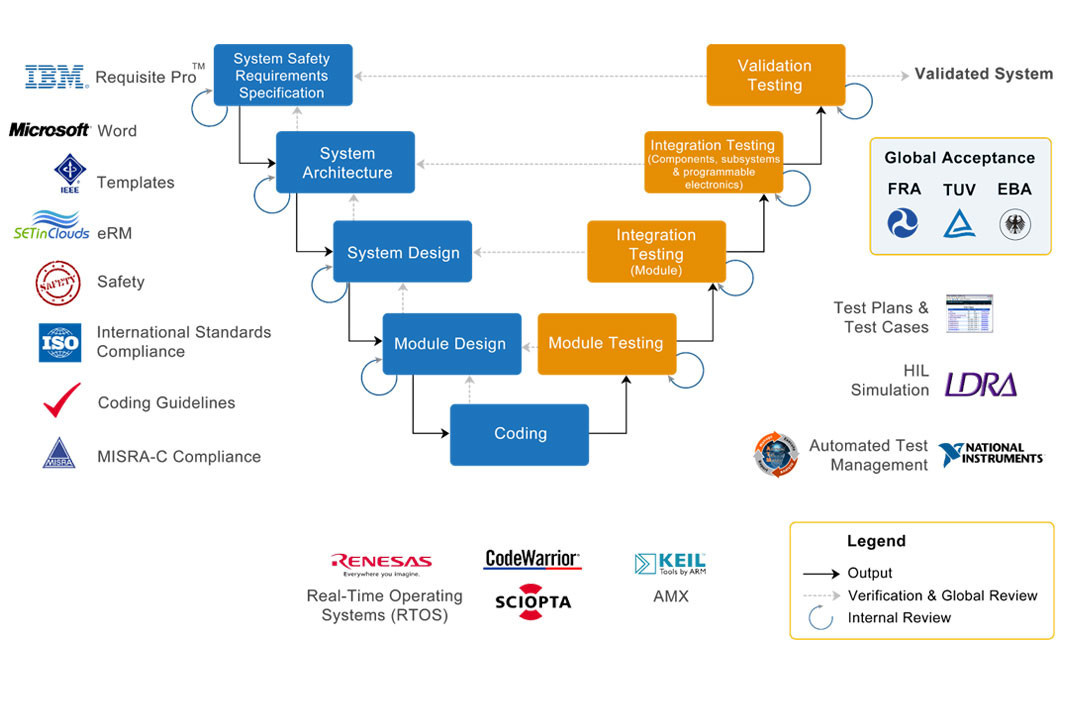
Requirements to Implementation
Development begins with defined system and safety requirements and progresses through architecture, module design, and implementation. Connecting these stages provides a structured basis for developing firmware against the requirements established for the product.
Verification and Testing
Verification progresses alongside development rather than being treated solely as a final activity. Testing can cover individual firmware components, their interaction with hardware, and their integration with other software layers.
Code Analysis and Review
Code analysis and technical review provide opportunities to identify potential issues during development and assess the quality of implemented firmware. These activities complement functional testing and contribute to the evidence required to demonstrate that defined requirements have been addressed.
Cross Functional Quality Assurance
Issues affecting safety-critical firmware can extend across software, hardware, and system boundaries. Our firmware engineering capabilities work alongside QA and testing, hardware engineering, systems engineering, and integration activities to address these dependencies within the wider embedded product.
If your project requires a structured development and verification approach, talk to our team about your requirements.
Where Hardware and Firmware Meet
Firmware does not operate independently of the hardware it controls. Processor architecture, memory, peripherals, communication interfaces, and other system components all influence firmware design, implementation, integration, and verification.
Powersoft19 combines firmware and embedded hardware expertise to address these dependencies throughout development.
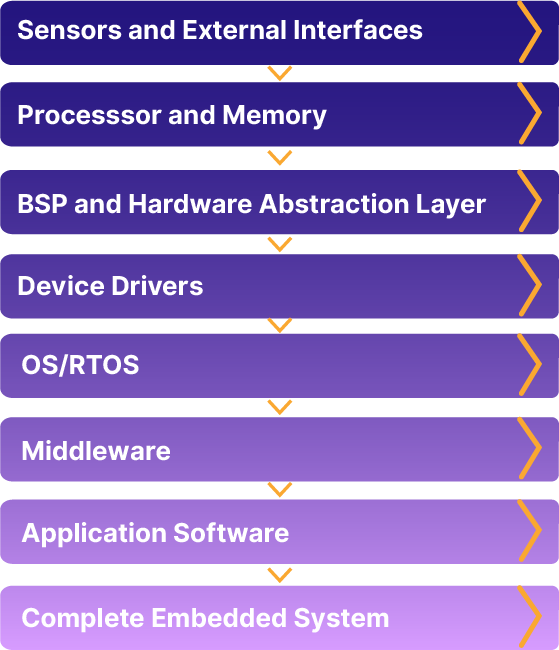
Embedded Firmware Architecture
Firmware can be developed around the requirements and characteristics of the target hardware, including processors, memory, peripherals, and communication interfaces. Hardware changes can also be considered alongside corresponding firmware requirements as the product evolves.
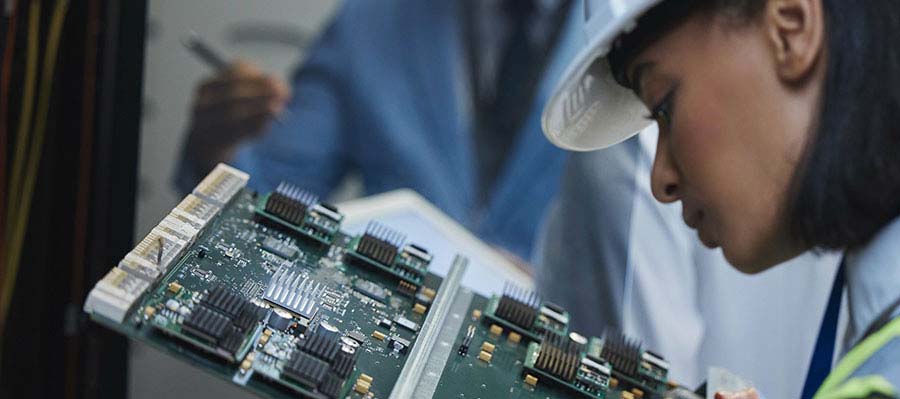
Firmware can be integrated across the wider embedded architecture, connecting hardware with operating systems, middleware, application software, and communication interfaces. This allows Powersoft19 to contribute to individual engineering activities or broader system development and integration.
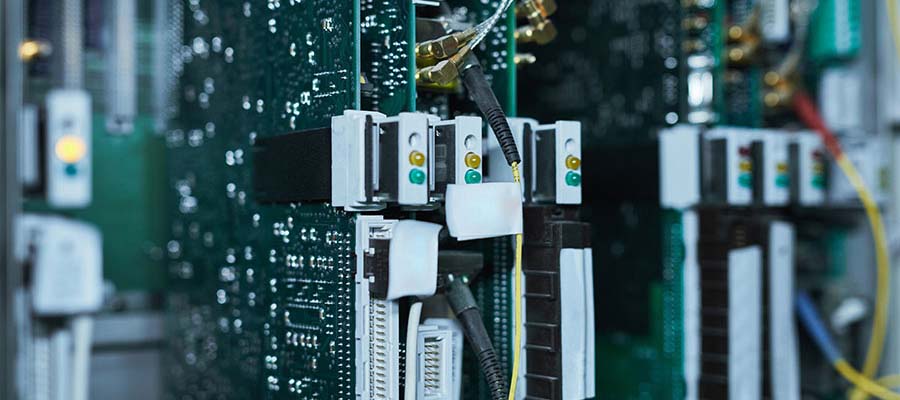
Integration issues may originate in firmware, hardware, system architecture, or interactions between components. Bringing the relevant engineering disciplines together provides a broader context for investigating these issues and developing appropriate solutions.

For projects requiring coordinated hardware and firmware engineering, explore our capabilities across the embedded product lifecycle.
Embedded Firmware Technology Stack
Safety-critical firmware projects can involve different processors, operating environments, interfaces, development tools, and programming languages depending on the product architecture and project requirements. Powersoft19 supports development across a broad range of embedded technologies and can adapt to established client environments where appropriate.
| Category | Tools and Technologies |
|---|---|
| Programming Languages | Assembly, C, C++, Python, Verilog, VHDL |
| OS / RTOS | AMX, SCIOPTA, Salvo, FreeRTOS, ThreadX |
| Embedded Platforms | ARM Cortex M, ARM Cortex A, Renesas, Atmel AVR, Freescale |
| Source Code Analysis | TLDRA, PC lint, SQMLint, CppCheck, SourceMonitor |
| Source Code Management | Git, SVN, Gerrit |
| Build Systems | GNU Make, Hudson, ANT |
| Compilers and Toolchains | CodeWarrior, IAR, Keil, Renesas HEW, Code Composer Studio, Quartus, ISE |
| Communication Interfaces | Ethernet, USB, CAN, LIN, SPI, I2C, SDIO, RS232 |
| FPGA / Digital Logic | Xilinx, Altera, Verilog, VHDL |
| Wireless Technologies | GPS, Zigbee, Bluetooth, GSM/GPRS, CDMA, 802.11a/b/g |
| Memory Technologies | NAND/NOR Flash, SD, MMC/eMMC, DDR, LP DDR, EEPROM, SATA |
Safety, Compliance and Certification Support
Safety-critical firmware is developed within safety and regulatory frameworks that define requirements for software specification, implementation, verification, documentation, and lifecycle management. The applicable approach depends on the product, industry, safety classification, and target market.
Powersoft19 has experience supporting firmware applications developed to meet European SIL 4 and American Level A requirements, including requirements definition, firmware planning, verification and validation, traceability, technical documentation, and preparation of evidence associated with compliance and certification activities.
Supporting Safety-Critical Development
Depending on project requirements, development activities can incorporate:
- Safety and System Requirements
- Firmware Development Planning
- Requirements Traceability
- Verification and Validation
- Code Analysis and Review
- Test Documentation and Verification Evidence
- Technical and Safety Documentation
- Compliance and Certification Support
| Industry / Application | Relevant Standards / Frameworks |
|---|---|
| Railway | EN 50128, EN 50129 |
| Automotive | ISO 26262 |
| Industrial / Process Control | IEC 61508 |
| Avionics | DO 178C |
| Medical Devices | IEC 62304 |
The specific compliance approach depends on the product requirements, target market, safety classification, and certification process. Powersoft19 can work within client defined processes and alongside existing engineering and certification teams to support the development and evidence required for the applicable safety framework.
If your project has specific safety or certification requirements, discuss your requirements with our engineering team.
Firmware for Demanding Embedded Applications
Safety-critical firmware is used across products where reliable and predictable operation is essential. Powersoft19 supports embedded development across applications including:

Rail and Transportation
Embedded control, communications, monitoring, and automation systems.

Industrial Automation
Control systems, connected equipment, and industrial embedded platforms.

Automotive
Embedded platforms and control systems requiring coordinated hardware and firmware engineering.

Energy and Smart Grid
Embedded control, monitoring, communications, and power related applications.

Mining and Material Handling
Embedded systems operating within demanding industrial environments.

Healthcare
Embedded products where reliability, verification, and controlled development processes are important.

Consumer Electronics
Connected and resource constrained embedded products requiring integrated firmware development.
Our broader IoT and Automation capabilities can also support connected embedded products where firmware forms part of a larger intelligent or networked system.
Engineering Beyond the Firmware Layer
Safety-critical firmware requires coordinated engineering across software, hardware, verification, and system integration. Powersoft19 brings these disciplines together to support the complete embedded product.

Integrated Engineering
Firmware, hardware, and systems engineering within the same product context.

Cross Functional Expertise
Engineering disciplines can be brought together when problems extend beyond firmware.
Structured Development
Requirements, implementation, verification, and documentation remain connected throughout development.

Broad Platform Experience
Experience across processors, operating environments, interfaces, tools, and embedded architectures.

Lifecycle Support
Engineering support for new products, existing platforms, and long lifecycle embedded systems.
Start Your Safety-Critical Firmware Project
Whether you are developing a new embedded product, integrating firmware with an existing platform, maintaining a legacy system, or addressing verification and compliance requirements, the engineering approach needs to reflect the product architecture and applicable safety requirements.
Powersoft19 can contribute at the firmware level or bring together hardware, systems engineering, system integration, and quality assurance capabilities to address broader embedded system requirements.